Many people assume that if they can read a book, drive comfortably, or see objects clearly in the distance, their eyes must be in excellent health. While good vision is certainly important, it’s only one part of the picture. In fact, some of the most common eye diseases develop gradually and without noticeable symptoms, making regular comprehensive eye exams an essential part of maintaining your overall health.
An Eye Exam Is About More Than Your Prescription
When people think of an eye exam, they often think it’s simply a vision test to determine whether they need glasses or contact lenses. While checking your prescription is one component, a comprehensive eye exam goes much further.
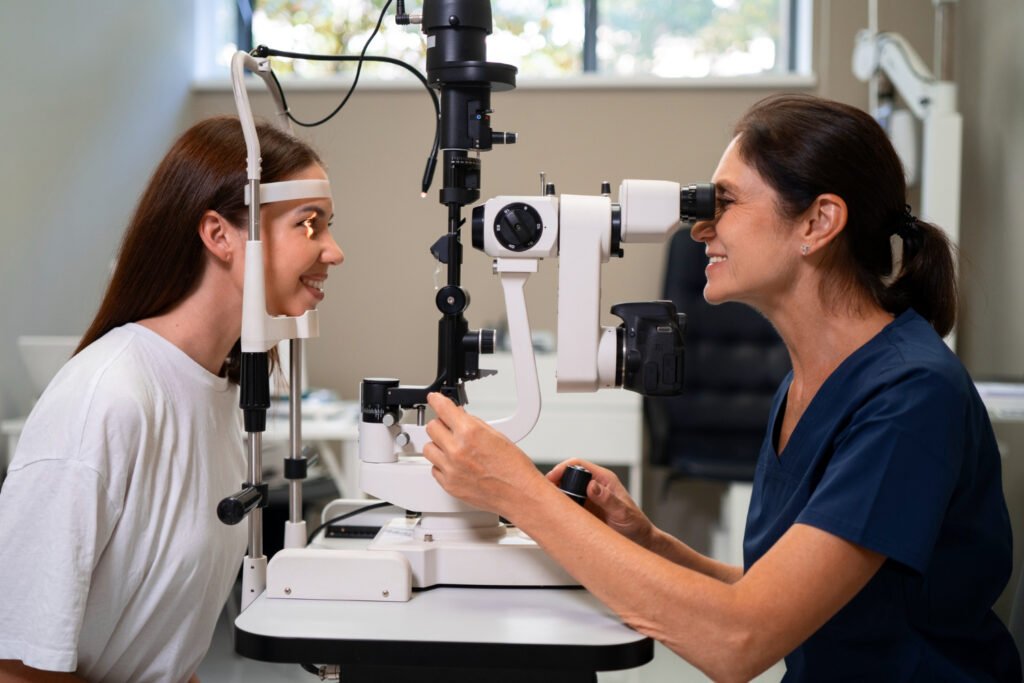
During your visit, your optometrist evaluates the overall health of your eyes by examining important structures such as the retina, optic nerve, cornea, and lens. Depending on your individual needs, additional tests may be performed to assess eye pressure, peripheral vision, tear quality, and retinal health.
These evaluations help identify potential problems long before they begin affecting your vision.
Many Eye Diseases Have No Early Warning Signs
One of the biggest challenges with eye disease is that many conditions develop silently. You may continue to see well even as changes are occurring inside your eyes.
Some examples include:
Glaucoma: Often called the “silent thief of sight,” glaucoma can damage the optic nerve without causing pain or noticeable vision changes until the disease has advanced.
Diabetic Eye Disease: People living with diabetes may develop damage to the blood vessels in the retina without experiencing any symptoms in the early stages.
Age-Related Macular Degeneration (AMD): Early AMD may not affect vision immediately, but regular monitoring allows for timely management if changes occur.
Cataracts: Cataracts typically develop gradually over time, and routine eye exams help monitor their progression and determine when treatment may be appropriate.
Early detection often provides more treatment options and helps reduce the risk of permanent vision loss.
Your Eyes Can Reveal More Than Eye Problems
Your eyes offer a unique view of your overall health. During a comprehensive eye examination, your optometrist may observe signs that could be associated with certain systemic health conditions, including:
Diabetes
High blood pressure
High cholesterol
Autoimmune diseases
While an eye exam does not replace regular medical care, it can sometimes identify changes that warrant further evaluation by your primary healthcare provider.
Read more about this at Opto.ca
Who Should Have Regular Eye Exams?
Routine eye exams are important for everyone, even if you have excellent vision.
Children benefit from regular eye examinations to support healthy visual development and learning. Adults should continue routine eye care throughout their lives, while older adults often require more frequent monitoring as the risk of age-related eye conditions increases.
Individuals with diabetes, a family history of eye disease, high prescriptions, or certain medical conditions may also need more frequent examinations. Your optometrist can recommend an exam schedule based on your age, health, and individual risk factors.
Protecting Your Vision Starts with Prevention
Many eye conditions can be managed more effectively when they are detected early. Comprehensive eye exams allow your optometrist to monitor subtle changes over time, helping protect your vision before symptoms develop.
Even if you aren’t experiencing blurry vision or other eye concerns, routine eye care remains one of the most important steps you can take to preserve your long-term eye health.
Schedule Your Comprehensive Eye Exam at Hollyburn Eye Clinic
At Hollyburn Eye Clinic, we’re committed to providing thorough, personalized eye care for patients of all ages. Our comprehensive eye exams are designed to assess not only how well you see but also the overall health of your eyes, helping detect potential concerns early and keeping your vision at its best.
If it’s been a while since your last eye exam—or if you simply want peace of mind—we invite you to book an appointment with our experienced team. Your vision is worth protecting, and regular eye exams are one of the best investments you can make in your long-term health.
Book a comprehensive eye exam today!