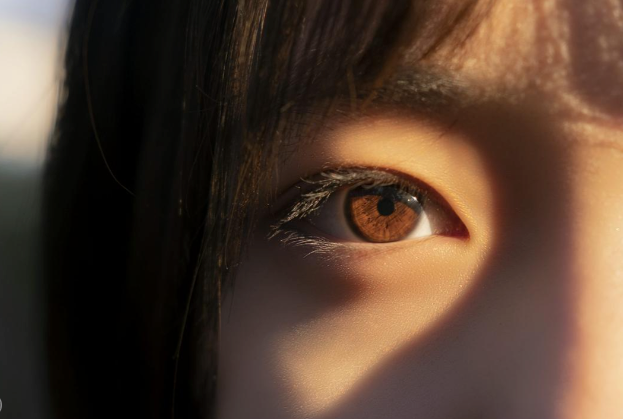
Have you ever wondered how someone else sees the world?
We often assume everyone sees the world the same way. However, different eye conditions can dramatically change how we experience everyday life. For some, distant objects appear blurry. Others experience distorted images, sensitivity to light, or gradual vision loss. Understanding how different eye conditions affect your vision can help you recognize changes and protect your eye health.
Myopia: When Distance Becomes a Blur
Myopia, or nearsightedness, makes distant objects appear blurry while nearby objects remain clearer.
People with myopia may struggle to read road signs, recognize faces from a distance, or see presentations clearly.
Prescription glasses or contact lenses can help correct nearsightedness.
Astigmatism: When the World Looks Distorted
Astigmatism occurs when the cornea or lens has an irregular shape. This prevents light from focusing evenly on the retina.
As a result, objects may appear blurry or distorted at any distance. Some people also experience headaches or eye strain.
Corrective lenses can help improve visual clarity.
Cataracts: When Everything Looks Cloudy
Imagine looking through a foggy window. That’s how some people describe vision affected by cataracts. Cataracts develop when the eye’s natural lens becomes cloudy. Colours may appear faded, and bright lights can create uncomfortable glare. Symptoms often develop gradually, making regular eye exams especially important as we age.
Glaucoma: When Peripheral Vision Disappears
Glaucoma damages the optic nerve, which carries visual information from the eye to the brain. Many people experience no early symptoms. As the condition progresses, blind spots may develop, often affecting peripheral vision. Without treatment, glaucoma can cause permanent vision loss.
Early detection and treatment can help protect remaining vision.
Dry Eye: When Clear Vision Comes and Goes
Dry eye is more than occasional discomfort. It can also affect how clearly you see.
When your eyes produce insufficient tears or tears evaporate too quickly, your vision may fluctuate.
Symptoms can include burning, irritation, blurry vision, and sensitivity to light.
At Hollyburn Eye Clinic, we offer dry eye assessments and treatment options tailored to individual needs.
Macular Degeneration: When Central Vision Changes
Age-related macular degeneration (AMD) affects the macula, which controls sharp central vision.
People with AMD may notice blurry central vision, distorted lines, or difficulty recognizing faces. The condition can make reading, driving, and everyday activities more challenging. Early detection helps patients access appropriate monitoring and treatment options. (Learn more about MacuMira for Dry AMD.)
Why Regular Eye Exams Matter
Not every eye condition causes noticeable symptoms. In fact, some eye diseases can develop quietly over several years.
A comprehensive eye exam assesses more than your prescription. Your optometrist also examines your eye health and looks for signs of developing conditions. Early detection can make a meaningful difference in protecting your long-term vision. Sudden vision loss, new flashes of light, numerous new floaters, or a curtain-like shadow require immediate medical attention.
Your Vision Is Unique.
Your Eye Care Should Be Too.
The world looks different through everyone’s eyes.
At Hollyburn Eye Clinic, we’ve proudly served the North Shore since 1996. Our team provides personalized eye care for patients of all ages. Whether you’ve noticed a change in your vision or you’re due for a routine examination, we’re here to help.
See the world more clearly. Book your comprehensive eye exam at Hollyburn Eye Clinic today.
Note: Visual simulations of eye conditions are illustrative. Symptoms and visual experiences vary between individuals.